
Technology in education now shapes how students complete every stage of learning. High schools across Ontario and beyond have adopted digital tools to support lesson delivery, student research, and academic communication. The pace of this adoption has changed what students expect from their classrooms. Schools that integrate these tools thoughtfully report stronger student engagement and more consistent academic outcomes.
Key Takeaways
Why Technology in Education Is Changing High School Learning
Technology in education has shifted the core of how high school instruction operates. Teachers no longer rely solely on printed materials and static lesson plans. Digital platforms allow course content to be updated, shared, and delivered in formats that adapt to how each student works.
Schools now use learning management systems to organize assignments, deadlines, and communication. Students log into a single platform to access everything related to a course. This reduces miscommunication between teachers and students. It also creates a consistent approach across all subjects.
Digital tools also allow teachers to track student performance in real time. Gaps in understanding can be caught early instead of surfacing during final exams. Teachers can assign additional resources based on specific student data. This approach supports both high-performing students and those who need more time.
Parent communication has also improved through school digital platforms. Report cards, attendance records, and teacher updates are accessible online. Families stay informed without waiting for scheduled meetings. This creates a stronger connection between home and the academic environment.
According to a UNESCO Digital Education report, over 50 percent of secondary schools worldwide now use digital learning systems as part of standard instruction.
Digital Tools Students Use in Modern Classrooms
High school students today rely on a specific set of digital tools across all subjects. These tools cover everything from assignment tracking to collaborative research. Schools select platforms based on curriculum goals, teacher training, and student access. The tools listed below represent the most widely adopted categories in secondary education.
Learning Management Systems
Learning management systems centralize course materials, deadlines, and assessments. Students access lessons, submit assignments, and track feedback in one place. Teachers monitor class performance without relying on email or paper. Systems like Google Classroom and Canvas are among the most widely used at the secondary level.
Online Research Databases
Online academic databases give students access to peer-reviewed articles and verified data. These replace general internet searches with more academically reliable results. Teachers guide students on how to evaluate source credibility and avoid misinformation. Strong source habits built in high school carry forward into post-secondary academic work.
Interactive Classroom Software
Interactive tools allow teachers to run live quizzes, polls, and collaborative activities. Students respond using their devices, keeping participation high during direct instruction. Tools like Kahoot and Mentimeter are common in Ontario high school classrooms. These applications give teachers instant data on how well students have absorbed a lesson.
Digital Note-Taking Applications
Digital note-taking tools allow students to organize information across subjects and devices. Students combine typed notes, images, and links within a single document. Notes sync automatically and remain accessible for review before assessments. This reduces dependence on paper and supports students who prefer a proper digital workflow.
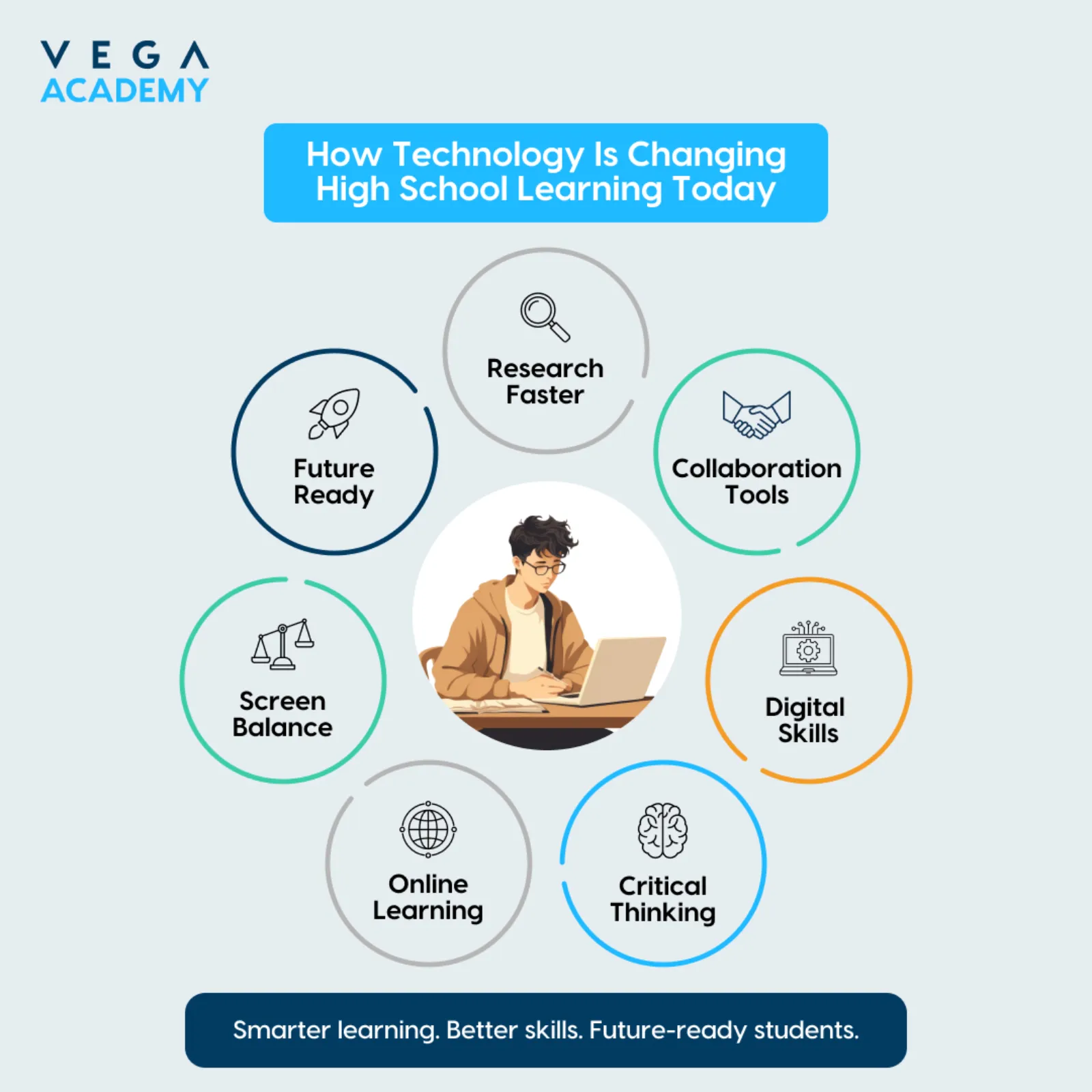
How Technology Helps Students Research and Learn Faster
Technology in education has shortened the research process significantly for high school students. Access to academic databases means students spend less time searching and more time analyzing. This shift benefits both independent projects and classroom-based assignments. Students who learn strong digital research habits also perform better in post-secondary academics.
Academic search tools teach students how to filter information effectively. Students learn to compare sources, evaluate bias, and select credible references. Teachers build this into assignment guidelines from early grade levels. The result is a student body with stronger analytical and information literacy skills.
Multimedia learning formats also support different types of learners. Students access video explanations, interactive simulations, and annotated readings. Science classes use virtual lab models when physical labs are unavailable. These formats give students multiple ways to approach a concept before committing it to memory.
Instant feedback tools help students self-correct before major assessments. Online quizzes return scores immediately after submission. Students identify weak points while the material is still fresh. This practice loop accelerates academic improvement across subjects.
A Pew Research Center study found that 73 percent of students report that internet access has made research noticeably faster and more productive. Teachers also benefit from shared digital resources. Lesson materials remain reusable and can be updated between academic terms without full reconstruction.
Learn With Smart Tools
Collaborative Learning Through Technology Platforms
Technology in education has made group work more accountable. Digital platforms give students shared workspaces that function across different schedules and locations. Teachers can monitor group progress without waiting for a final submission. Collaboration tools also make individual contributions visible within group tasks.
Shared document tools allow students to edit content together during projects. All changes appear in real time and are tracked by the platform. This prevents duplication and improves task coordination between group members. Students develop familiarity with document collaboration tools before entering post-secondary or professional environments.
Discussion boards support written exchanges between students. Teachers post prompts and students respond within guided parameters. Peer replies become part of the graded output rather than informal conversation. This format helps students practice clear written communication across subjects.
Video conferencing tools support remote collaboration when in-person group work is not possible. Students meet online to complete assigned tasks or receive teacher feedback. Session links and recordings remain accessible for review. This maintains consistency in group accountability regardless of external circumstances.
Collaboration through digital platforms also builds communication skills. Students learn to express ideas clearly in writing and respond constructively to peer input. These practices mirror workplace communication expectations. Schools that build this into coursework give students a practical advantage when entering university or employment.
Technology in Education and Critical Thinking Skills
Technology in education strengthens students’ capacity to evaluate and analyze information independently. Students no longer simply memorize content from a single textbook source. Digital access presents multiple perspectives on the same topic, requiring students to compare and assess. This changes the nature of academic work from recall to interpretation.
Online research requires students to assess source credibility before citing information. Students learn to identify factual reporting versus opinion and detect bias in published material. The skill transfers across every subject area and into adult information habits.
Problem-solving tools in science and mathematics courses support analytical reasoning. Students work through simulations and models that present multi-step problems. They test variables, observe outcomes, and draw conclusions from evidence. This process mirrors the kind of thinking expected in university-level coursework.
Writing platforms also contribute to argument development. Students draft essays using templates and receive ongoing digital feedback. Teachers track revision history and evaluate how students respond to commentary. Revision becomes part of the academic process rather than a one-time correction.
Digital planning tools build independent time management habits. Students manage deadlines across multiple subjects using shared task platforms. This reduces last-minute submission rates and builds organizational discipline. Both skills apply well beyond the high school academic environment.
Challenges Schools Face When Using Technology
Integrating technology in schools introduces logistical and industrial challenges alongside its benefits. Schools must address access gaps, staff training, technical reliability, and student data security. These factors determine how consistently educational technology reaches every student. Planning for these obstacles directly affects the quality of digital learning programs.
Device Access Across Student Populations
Not every student has equal access to devices or reliable internet outside school. Schools address this through loaner device programs and in-school access support. However, gaps remain for students in lower-income households or remote locations. Equitable access to digital learning tools remains an active policy challenge across Ontario school boards.
Teacher Training and Platform Adoption
Effective use of educational technology requires adequate teacher training. Teachers need time to learn new platforms before implementing them in class. Schools that offer regular professional development report higher adoption rates. Inconsistent training leads to uneven application of digital tools across a school’s departments.
System Reliability During Instruction
Technical failures during lessons disrupt instruction and affect student performance. Schools manage this through dedicated IT support and backup lesson plans. Infrastructure investment ensures platforms remain stable during high-use periods like exams. Schools without this support face recurring classroom disruptions.
Student Data Privacy and Security
Student data collected through digital platforms must be protected under provincial and federal privacy regulations. Schools select platforms that comply with applicable laws and provide clear data governance policies. Students also receive instruction on responsible digital behavior and personal data awareness. Privacy education is now considered part of standard digital literacy in Ontario secondary schools.
Balancing Screen Time With Classroom Learning
Balancing screen time is a deliberate part of how high schools manage digital learning. Teachers’ lessons to include both digital and non-digital activities. This prevents screen fatigue and supports different modes of cognitive engagement. Schools that establish clear device-use boundaries report stronger student focus throughout the school day.
Printed materials still serve a specific function in reading comprehension and annotation tasks. Physical texts support longer reading sessions that differ from screen-based reading. Teachers select the format based on the nature of the lesson and its academic objectives. Neither approach replaces the other; both are used with intention.
Breaks within screen-heavy lessons support sustained concentration. Brief pauses between digital activities reduce cognitive fatigue during extended sessions. Teachers plan lesson pacing to include movement, discussion, or paper-based tasks as resets. This approach is consistent with current guidance from school health research on adolescent screen exposure.
School policies on screen time also include guidelines for after-hours device use. Many schools share these guidelines with families to support consistent boundaries at home. Students who follow routines around device use tend to manage their academic schedule more effectively. The goal is disciplined use, not avoidance.
Preparing Students for a Technology-Driven Future
Technology in education prepares students for career environments that expect digital proficiency. Most sectors now require employees to work within software platforms, manage digital communication, and interpret structured data. High schools that integrate these tools into coursework give students applicable experience before graduation. This reduces the adjustment period students face upon entering university or the workforce.
Professional communication tools become familiar through classroom use. Students learn to write clear emails, contribute to shared documents, and present findings using digital formats. These are standard requirements across most professional fields. Early exposure through school environments makes the transition smoother.
Data literacy is increasingly part of high school coursework. Students analyze information, interpret graphs, identify trends, and draw evidence-based conclusions. These skills apply to academic research as well as careers in business, health, technology, and public policy. Schools that teach students how to evaluate and use data early give them a practical advantage in both post-secondary education and future employment.
Coding and computational thinking programs now appear in many Ontario high school curricula. Students learn basic programming logic and systems courses aligned with provincial requirements. A Statista report on global school digital adoption confirms that high schools lead all education levels in digital learning tool adoption. These technical skills support careers in software, infrastructure, and applied sciences.
Schools that integrate technology intentionally produce graduates with stronger academic records and better preparedness for post-secondary demands. The connection between digital learning habits and student outcomes is supported by ongoing research. Students benefit most when technology supplements rigorous instruction rather than replacing it.
Start Your Application
Frequently Asked Questions
How does technology in education benefit high school students?
Technology in education gives students faster access to academic resources and feedback tools. Students can revisit lesson content, complete assignments through organized platforms, and communicate with teachers without delays. These features support consistent academic progress across all subjects and grade levels.
What digital tools do high school students use most often?
The most commonly used tools in Ontario high schools include learning management systems, academic research databases, and interactive classroom applications. Students also rely on digital note-taking platforms and shared document tools for collaborative assignments. These categories cover the core academic and organizational tasks students manage daily.
Does digital learning affect in-class instruction?
Digital learning supplements in-class instruction rather than replacing it. Teachers continue to deliver direct lessons, facilitate discussions, and provide one-on-one student support. Technology handles administrative tasks, resource sharing, and feedback delivery, allowing teachers to focus more time on higher-order instruction.
Technology in Education at Vega Academy
Technology in education supports accountable and academically rigorous learning at the high school level. Vega Academy integrates digital tools within a balanced academic program that prioritizes student performance and post-secondary readiness. Students and families interested in learning more can visit the Day School Program page or request more information directly from the admissions team.